
The seasons are changing and so has the seasonal flu. In the changing seasons, people's health is always getting worse. People generally do not take it seriously, while experts say it should not be ignored. According to Dr. Uma Kumar at AIIMS, New Delhi, seasonal flu is not very dangerous, but sometimes negligence falls heavily on people. Children and the elderly in particular need to be more careful, as their immune systems are weaker than those of adults.
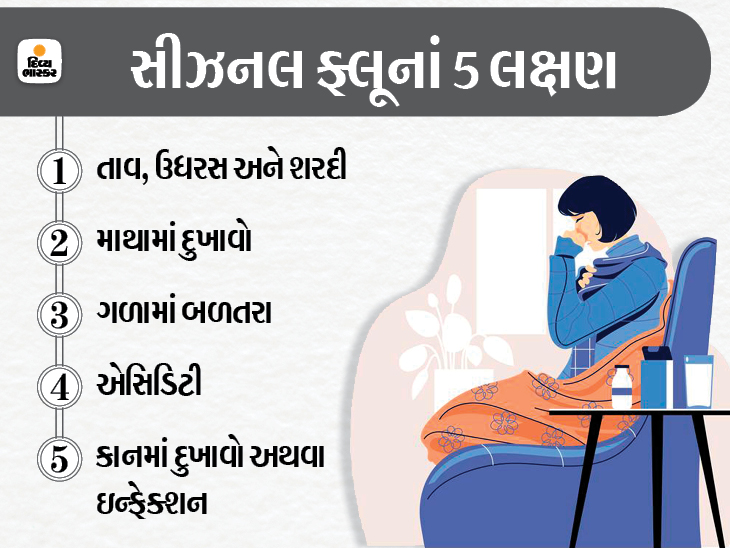
Seasonal
flu can cause symptoms of many diseases . There are different beliefs among people about seasonal flu. People believe that seasonal flu can turn into diarrhea and pneumonia. When this is not the case, seasonal flu can cause many types of illness. It can also often affect the lungs and is also seen as a lung infection. Because of this, the basic symptoms of seasonal flu remain in people and other problems also start. Consult a doctor before it comes up as a permanent problem.
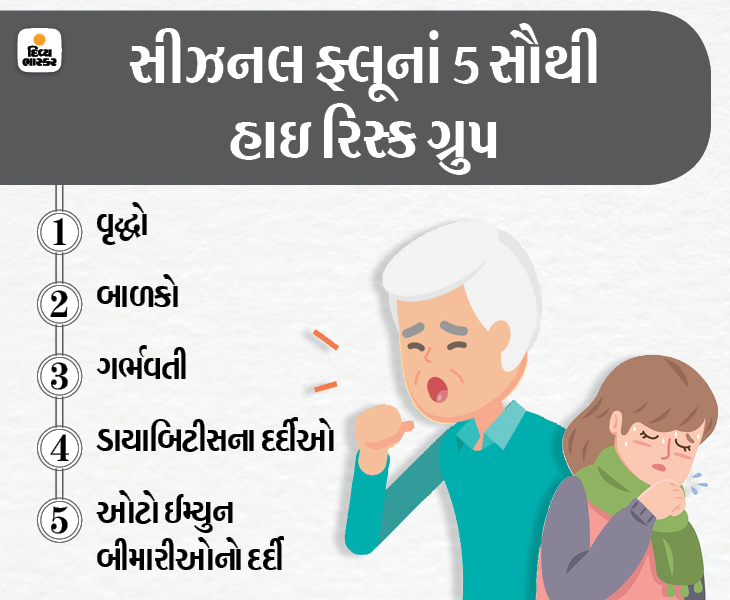
High Risk Group in
Seasonal Flu Seasonal flu most affects people with weakened immune systems. If a person already has a problem, they can get the flu early, and the effects of the flu can be serious.
Know, Dr. How the risk from seasonal flu from Uma increases
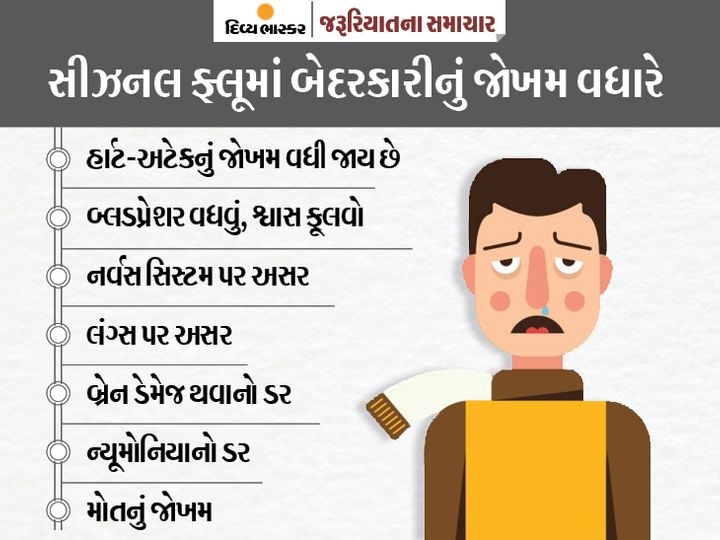
Heart Attack - People with heart problems have an increased risk of heart attack during the seasonal flu. This is caused by viral myocardia. It causes heart rate to rise and shortness of breath.
Lung damage: Growing seasonal flu can cause lung damage. Sometimes we get pneumonia-like symptoms during the flu. If such a symptom appears in the flu, then understand that it is now causing lung damage. Such a condition can occur in most elderly people.
Death: Seasonal flu increases the risk of death from any serious illness such as cancer. During the seasonal flu, the immune system is affected and the health deteriorates.
Effects on the brain: Seasonal flu can affect the brains of people who already have an illness such as an autoimmune disorder. During this time the response of the nervous system slows down and the victim becomes accustomed to forgetting and fainting.
There is other news too ...

No comments:
Post a Comment